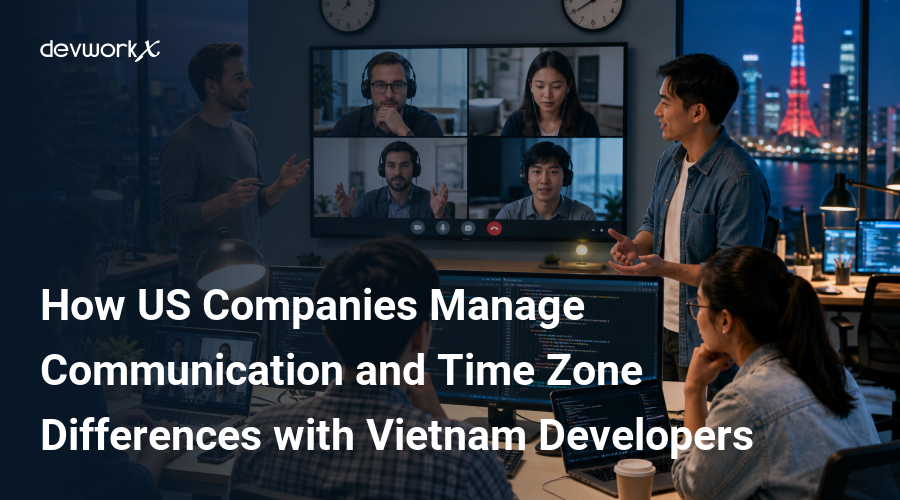
With the increasing collaboration between US companies and Vietnam developers, managing communication and time zone differences is crucial for project success. By addressing language barriers, cultural differences, and utilizing technological solutions, companies can foster effective international partnerships. Additionally, flexible work arrangements and leadership strategies play vital roles in enhancing team performance and overcoming these challenges.
Introduction: Bridging the Gap between US Companies and Vietnam Developers
In the ever-evolving world of technology, IT professionals and recruiters face a common challenge: effectively managing communication and time zone differences when working with international teams. As US companies increasingly collaborate with talented Vietnam developers, they must navigate these challenges to ensure successful project outcomes. This article delves into the strategies that US companies employ to overcome communication barriers and time zone differences, providing valuable insights for those looking to enhance their international collaborations.

Understanding the Communication Challenges
Language Barriers
One of the primary obstacles in international collaborations is the language barrier. While English is widely used in the tech industry, nuances and fluency levels vary. Companies often invest in language training and provide resources to ensure both parties communicate effectively. This proactive approach reduces misunderstandings and fosters a more productive work environment.
- US firms may offer English language courses to their Vietnamese partners, facilitating smoother communication.
- Utilizing translation tools and services can bridge language gaps, though they may not always capture technical nuances.
- Encouraging team members to learn basic phrases in each other's languages can enhance mutual respect and understanding.
- Regular feedback sessions help identify and address any ongoing communication issues.
Cultural Differences
Cultural differences can impact communication styles and expectations. US companies must be mindful of these differences to avoid potential misunderstandings. For instance, the Vietnamese culture values harmony and indirect communication, which may contrast with the more direct approach common in the US.
- Training sessions on cultural awareness can prepare teams for effective cross-cultural communication.
- Establishing clear communication protocols helps align expectations and reduce friction.
- Encouraging open dialogue about cultural norms fosters mutual understanding and respect.
- Rotating team members for onsite visits can deepen cultural insights and strengthen relationships.
Technological Solutions
Technology plays a crucial role in bridging communication gaps. With a plethora of tools available, companies can choose platforms that best suit their needs for collaboration, including messaging apps, video conferencing tools, and project management software.
- Platforms like Slack and Microsoft Teams facilitate real-time communication, ensuring teams stay connected.
- Video conferencing tools such as Zoom or Google Meet enable face-to-face interactions, enhancing team cohesion.
- Asynchronous communication tools like Trello or Asana help track project progress across different time zones.
- Investing in reliable internet infrastructure ensures seamless communication without technical disruptions.
Building Trust and Rapport
Building trust is essential for any successful collaboration. Regular check-ins, team-building activities, and transparent communication contribute to a strong partnership between US companies and Vietnam developers.
- Weekly virtual meetings keep everyone aligned and provide a platform for discussing concerns or updates.
- Recognizing achievements and celebrating milestones fosters a positive and inclusive team culture.
- Establishing a mentorship program can help integrate new team members and build long-term relationships.
- Encouraging social interactions, even virtually, helps build personal connections beyond work tasks.
Managing Time Zone Differences
Flexible Work Schedules
Time zone differences can be challenging, but they also offer opportunities for flexible work arrangements. By embracing flexibility, companies can accommodate team members' schedules and ensure continuous project progress.
- Offering flexible start and end times allows team members to overlap their working hours for real-time collaboration.
- Implementing core hours during which all team members are available can help synchronize efforts.
- Allowing remote work options provides employees the freedom to work during their most productive hours.
- Encouraging time management practices helps employees balance work and personal commitments effectively.
Overlap Hours and Handoffs
Establishing overlap hours, where US and Vietnam teams have synchronous working hours, is essential for seamless handoffs and real-time communication.
- Scheduling overlap hours during critical phases ensures that urgent issues are addressed promptly.
- Clear documentation of tasks and priorities facilitates smooth handoffs between teams.
- Regularly updating shared calendars helps teams plan meetings and collaboration sessions efficiently.
- Using collaboration tools with time zone features ensures that deadlines and meetings are accurately coordinated.
Asynchronous Communication Benefits
Asynchronous communication allows team members to contribute at their convenience, making it an effective approach for managing time zone differences.
- Recording meetings and sharing them with team members who couldn't attend ensures everyone stays informed.
- Written communication, such as detailed emails or project updates, provides a reference point for all team members.
- Establishing clear guidelines for response times ensures that asynchronous communication remains efficient.
- Encouraging team members to document their work and share progress updates promotes transparency and accountability.
Utilizing Time Zone Tools
Time zone management tools are invaluable for coordinating schedules and minimizing disruptions in collaboration.
- Tools like World Time Buddy or Every Time Zone help visualize time differences and plan meetings accordingly.
- Integrating time zone features into project management tools ensures that deadlines are clearly communicated.
- Regularly reviewing and updating time zone preferences ensures that all team members remain aligned.
- Providing training on how to use these tools can enhance team efficiency and reduce scheduling conflicts.
The Role of Leadership in Bridging Communication and Time Zone Gaps
Setting Clear Expectations
Effective leadership is crucial in managing international teams. Setting clear expectations for communication and collaboration helps prevent misunderstandings and ensures smooth operations.
- Defining roles and responsibilities clarifies team members' contributions and expectations.
- Establishing communication protocols, such as preferred channels and response times, streamlines interactions.
- Providing regular feedback and performance reviews encourages continuous improvement and alignment.
- Leadership must remain adaptable and open to adjusting strategies based on team feedback and project needs.
Encouraging Open Communication
Leaders play a pivotal role in fostering an environment where team members feel comfortable expressing their ideas and concerns.
- Creating a safe space for open dialogue encourages team members to share their perspectives and feedback.
- Regularly soliciting input from team members helps identify potential issues before they escalate.
- Recognizing and valuing diverse perspectives fosters innovation and creative problem-solving.
- Providing opportunities for team members to contribute to decision-making processes enhances engagement and ownership.
Investing in Team Development
Continuous development and training are essential for building a cohesive and high-performing team.
- Offering professional development opportunities, such as workshops or certifications, enhances team skills and capabilities.
- Cross-cultural training programs prepare teams for effective international collaboration.
- Mentorship and coaching programs support career growth and strengthen team dynamics.
- Encouraging a culture of learning and improvement helps teams adapt to changing project demands.
Adapting to Change
In the fast-paced tech industry, adaptability is key. Leaders must guide their teams through change and ensure they remain resilient and focused.
- Proactively addressing challenges and providing solutions demonstrates strong leadership and builds team confidence.
- Encouraging a growth mindset helps teams embrace change and view challenges as opportunities for development.
- Regularly evaluating and adjusting strategies ensures teams remain agile and responsive to evolving needs.
- Celebrating successes and learning from failures strengthens team resilience and motivation.
As companies continue to expand their global reach, platforms like devworkx.com offer valuable resources for connecting with skilled developers worldwide. By leveraging these platforms, businesses can effectively manage international collaborations and drive innovation in the tech industry.

More than 1500 employers trust Devwork for their recruitment needs:
Cost optimization - Save time - Professional quality
Sign up for Devwork today to increase your company's competitiveness.
Or contact us
Email: hello@devworkx.vn
Tag Cloud:
Author: Trần Huy Hoàng

Related Articles

Vietnam vs Eastern Europe: Comparing Software Outsourcing Options for UK Companies
Navigating the decision between Vietnam and Eastern Europe for software outsourcing involves evaluating factors such as cost, quality, cultural compatibility, and scalability. Each region offers distinct advantages, from Vietnam's cost-effectiveness to Eastern Europe's expertise and proximity. For UK companies, understanding these differences is key to choosing the right partner and achieving successful project outcomes....
Why UK Companies Are Considering Vietnam for Software Development Outsourcing
As UK companies face the challenges of high costs and talent shortages in software development, Vietnam emerges as a strategic outsourcing destination. The country's cost-effectiveness, skilled talent pool, favorable business environment, and cultural compatibility make it an attractive choice. Discover how platforms like devworkx.com can help you connect with the right talent in Vietnam.

A Practical Guide to Building a Vietnam Offshore Development Center for US Companies
Establishing an offshore development center (ODC) in Vietnam offers US companies significant advantages, including cost savings, access to a skilled talent pool, and strategic market positioning. By understanding the local market, navigating cultural and legal landscapes, and leveraging Vietnam's tech ecosystem, companies can achieve long-term success. Discover how devworkx.com can be your partner in this journey to optimize your offshore strategies.

How to Outsource AI and Software Development Projects from the US to Vietnam
Outsourcing AI and software development projects to Vietnam offers US companies cost advantages, access to a skilled workforce, and time zone compatibility. By carefully selecting partners and managing projects effectively, businesses can leverage Vietnam's growing tech ecosystem for successful project outcomes.


Software Development Costs in Vietnam vs the United States: What Businesses Should Know
Exploring the intricacies of software development costs between Vietnam and the United States reveals critical factors for businesses to consider, including labor costs, quality, and strategic decision-making. The choice depends on balancing financial constraints with long-term project goals. Devworkx.com offers a pathway to access skilled IT professionals in Vietnam, easing the transition for businesses venturing into this cost-effective market.

US Software Development Outsourcing: Vietnam Dedicated Team vs US In-House Hiring
Navigating the choice between outsourcing to Vietnam and hiring in-house in the US involves weighing cost, quality, communication, and flexibility. This detailed analysis helps businesses decide the best approach to build their software development team, considering factors unique to their needs. For those seeking assistance, platforms like devworkx.com offer valuable resources to connect with top talent worldwide.