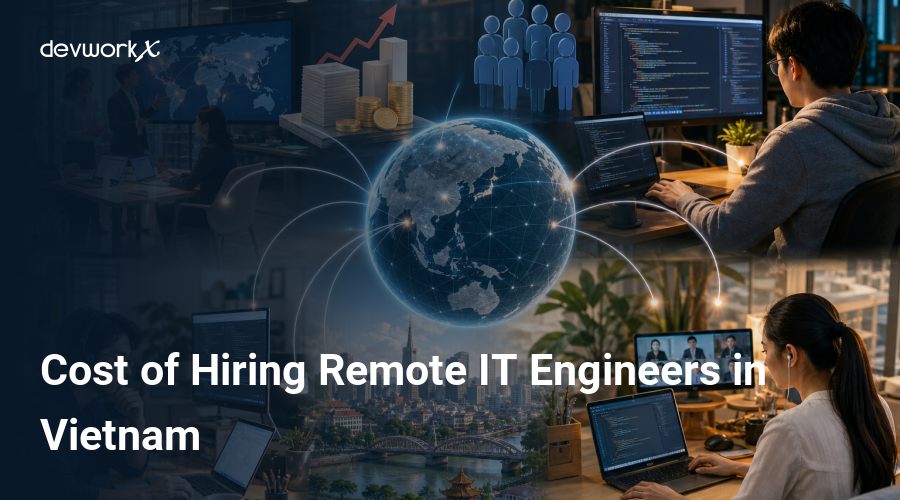
This article delves into the costs associated with hiring remote IT engineers in Vietnam, examining economic factors, hiring processes, work culture, and salary landscapes. It provides valuable insights for companies considering Vietnam as a destination for IT outsourcing.
The Cost of Hiring Remote IT Engineers in Vietnam
In recent years, the demand for remote IT engineers has surged, driven by the rapidly evolving tech landscape and the ongoing globalization of the workforce. Companies worldwide are increasingly looking towards countries like Vietnam for their skilled IT workforce. However, understanding the true cost of hiring remote IT engineers in Vietnam can prove challenging for many employers. This article aims to delve deep into the various factors that influence these costs, providing a comprehensive guide for potential employers.

The Economic Landscape of Vietnam
Vietnam's economy has been growing steadily, making it an attractive destination for outsourcing IT services. Below are some key factors contributing to this trend:
- Competitive Labor Costs: Compared to Western countries and even some Asian counterparts, Vietnam offers significantly lower labor costs. This affordability makes it an attractive option for companies looking to manage budgets effectively.
- Skilled Workforce: Vietnam has invested heavily in education, particularly in STEM fields. A growing number of graduates in IT and engineering fields have equipped the country with a pool of highly skilled professionals.
- Government Support: The Vietnamese government has implemented favorable policies to attract foreign investment, particularly in the tech sector. This includes tax incentives and streamlined processes for businesses.
- Infrastructure Development: Rapid improvements in infrastructure, such as internet connectivity and tech hubs, have made Vietnam an ideal place for remote work setups.
Factors Affecting the Cost of Hiring
While labor costs in Vietnam are generally lower, several factors can influence the actual expense of hiring remote IT engineers:
- Experience and Expertise: The level of experience and specific expertise of the IT engineers can significantly impact salary expectations. Senior engineers or those with niche skills will command higher wages.
- Recruitment Process: Costs associated with recruitment, including advertising, interviewing, and hiring processes, can add to the overall expenditure.
- Employee Benefits: While salaries may be lower, offering competitive benefits like health insurance, bonuses, and professional development opportunities can affect total costs.
- Technology and Tools: Providing the necessary technology, software, and tools for remote work can also add to the expense. This includes licenses for specific software and equipment costs.
Remote Work Culture in Vietnam
Understanding the work culture is crucial for successful collaboration with remote teams in Vietnam:
- Communication Styles: Vietnamese professionals typically value clear and direct communication. Understanding these nuances can help in managing teams more effectively.
- Work Ethic: Strong work ethics and a commitment to meeting deadlines are hallmarks of Vietnamese IT professionals, contributing to high productivity levels.
- Time Zone Differences: While Vietnam's time zone may require some adjustment for Western companies, overlap during business hours can be optimized for effective communication.
- Adaptability: Vietnamese IT engineers are known for their adaptability and willingness to learn new technologies, which is beneficial in a rapidly changing tech environment.
The Role of Outsourcing Companies
Many businesses choose to partner with outsourcing companies in Vietnam to streamline the hiring process:
- Access to Talent: Outsourcing firms have extensive networks of IT professionals, facilitating quicker and more efficient hiring processes.
- Administrative Support: These companies often handle administrative tasks such as payroll, contracts, and compliance with local regulations, reducing the burden on foreign companies.
- Cost Management: By leveraging local expertise, outsourcing companies can offer competitive pricing structures that align with the client's budgetary constraints.
- Risk Mitigation: Working with reputable outsourcing companies helps mitigate risks associated with remote hiring, such as fraudulent activities and legal issues.
Understanding the Salary Landscape
Salaries for IT engineers in Vietnam vary based on several factors:
- Location: Engineers based in major cities like Ho Chi Minh City or Hanoi may command higher salaries compared to those in smaller cities due to the cost of living differences.
- Industry Demand: Engineers with skills in high-demand areas such as AI, blockchain, or cybersecurity may receive higher compensation.
- Company Size: Larger multinational companies often offer higher salaries compared to smaller local firms, reflecting their broader financial resources.
- Project Complexity: Engineers working on complex or innovative projects may receive higher pay due to the specialized skills required.
Conclusion: Why Choose Vietnam for Remote IT Hiring?
Vietnam offers a compelling proposition for companies looking to hire remote IT engineers. With its competitive labor costs, skilled workforce, supportive government policies, and strong work ethic, Vietnam stands out as a leading destination for IT outsourcing.
For companies seeking to tap into this promising market, platforms like devworkx.com provide valuable assistance. Devworkx.com is dedicated to connecting businesses with top IT talent in Vietnam, offering a streamlined recruitment process and expert guidance every step of the way. By leveraging such platforms, companies can efficiently navigate the complexities of remote hiring and maximize the benefits of Vietnam’s burgeoning tech scene.

More than 1500 employers trust Devwork for their recruitment needs:
Cost optimization - Save time - Professional quality
Sign up for Devwork today to increase your company's competitiveness.
Or contact us
Email: hello@devworkx.vn
Tag Cloud:
Author: Trần Huy Hoàng


Related Articles

How Much Does It Cost to Hire a Developer in Vietnam?
This article provides an in-depth analysis of the costs associated with hiring developers in Vietnam, examining factors such as skill level, location, and industry demand. It also explores additional expenses like recruitment and training, while highlighting platforms like devworkx.com that facilitate cost-effective hiring....
How to Build a Remote Vietnamese Team Using EOR
This article provides a comprehensive guide on building a remote Vietnamese team using Employer of Record (EOR) services. It explores the benefits, steps involved, challenges, and solutions while highlighting the role of devworkx.com in IT recruitment.

Vietnam EOR for IT Companies: Hire and Manage Vietnamese Engineers
This article explores the benefits and intricacies of using an Employer of Record (EOR) to hire and manage Vietnamese IT engineers. It delves into Vietnam's appeal as a tech hub, key considerations for hiring, and best practices for managing remote teams, offering insights for companies looking to expand their workforce in Vietnam.
How EOR Helps Companies Hire Remote Employees in Vietnam
This article explores how Employer of Record (EOR) services facilitate the hiring of remote employees in Vietnam by addressing regulatory complexities, cultural differences, and talent competition. It highlights the benefits of using EORs, such as compliance assurance, cost-effective solutions, and access to a diverse talent pool, while offering guidance on selecting the right EOR partner.

Vietnam EOR vs IT Outsourcing: Which Hiring Model Is Right for Your Company?
This article explores the differences between the Employer of Record (EOR) and IT outsourcing models in Vietnam, providing an in-depth analysis of their advantages, challenges, and suitability for different business needs. It serves as a guide for IT managers and recruiters to make informed hiring decisions in the Vietnamese tech industry.
Vietnam EOR vs Direct Hiring: What Is the Difference?
This article delves into the differences between Vietnam EOR and direct hiring, providing a detailed analysis for businesses to make informed decisions. It explores the benefits and challenges of each method, offering scenarios where each might be preferable.