The interview process is a critical step in finding the right candidates for a company's open positions. However, even experienced employers can make mistakes that have a detrimental impact on the hiring process. These mistakes can lead to the loss of qualified candidates, damage the company's reputation, and result in poor hiring decisions. In this blog post, we will discuss some of the deadly mistakes employers often make during the interview process.
1. Unstructured Interviews: One of the biggest mistakes employers make is conducting unstructured interviews. Without a clear plan or standardized set of questions, interviews can become inconsistent and biased. Candidates may feel that they were not evaluated fairly, leading to frustration and a negative perception of the company.
2. Lack of Preparation: Employers who are not adequately prepared for the interview give off an impression of disinterest to candidates. Failing to review a candidate's resume, job application, and other materials beforehand can result in irrelevant or redundant questions. This can make candidates feel undervalued and unimportant.
3. Poor Communication: Failing to communicate the job requirements, company culture, and expectations clearly can confuse candidates. Misunderstandings about the role can lead to employees leaving soon after joining because they were not aware of the true nature of the position.
4. Overemphasizing Technical Skills: While technical skills are important, solely focusing on them can lead to overlooking crucial soft skills, such as teamwork, communication, and adaptability. Neglecting these qualities can result in a toxic work environment, as employees might lack the ability to collaborate effectively.
5. Ignoring Cultural Fit: Cultural fit plays a significant role in the long-term success of an employee within a company. Hiring someone who doesn't align with the company's values, vision, and work culture can lead to conflicts, decreased morale, and ultimately, high turnover.
6. Rushing the Process: Employers who rush through the interview process due to time constraints often miss red flags and fail to deeply evaluate candidates. This can result in hiring individuals who are not a good fit for the position, leading to increased turnover rates and additional hiring costs.
7. Asking Illegal or Inappropriate Questions: Asking questions about a candidate's age, marital status, gender, or other personal characteristics is not only unethical but can also lead to legal repercussions. Employers should be well-versed in the laws governing interview questions to avoid potential discrimination claims.
8. Neglecting Candidate Experience: A poor candidate experience can spread negative reviews about the company, affecting its reputation and ability to attract top talent. Candidates who have a negative experience, regardless of the outcome, are less likely to recommend the company to others.
9. Being Too Biased: Unconscious biases can influence hiring decisions, leading to a lack of diversity and missed opportunities. Implementing diverse interview panels and standardized evaluation criteria can help minimize biases and promote a fair hiring process.
10. Failing to Follow Up: Neglecting to provide timely feedback or updates to candidates after interviews can leave them feeling uncertain and undervalued. Clear communication about the hiring timeline and the status of their application can help maintain a positive impression of the company.
In conclusion, the interview process is a crucial aspect of hiring new talent, and employers must avoid these deadly mistakes to ensure a successful outcome. By focusing on structured interviews, effective communication, fair evaluation, and a positive candidate experience, employers can improve their chances of finding the right candidates and building a strong, diverse, and motivated workforce.

More than 1500 employers trust Devwork for their recruitment needs:
Cost optimization - Save time - Professional quality
Sign up for Devwork today to increase your company's competitiveness.
Or contact us
Email: hello@devworkx.vn
Tag Cloud:
Author: Phan Thị Hải Anh

Related Articles
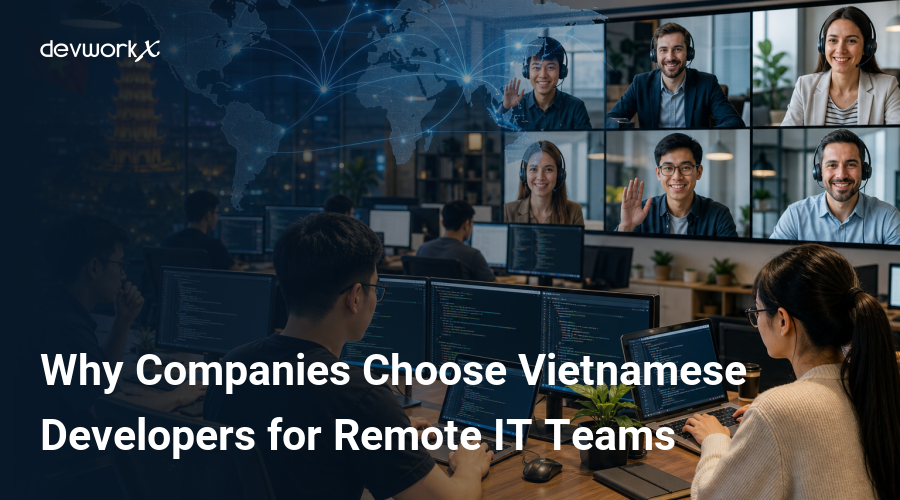
Why Companies Choose Vietnamese Developers for Remote IT Teams
This article explores the reasons why companies are increasingly choosing Vietnamese developers for remote IT teams, highlighting their technical skills, cost-effectiveness, work ethic, and the growing IT ecosystem in Vietnam....
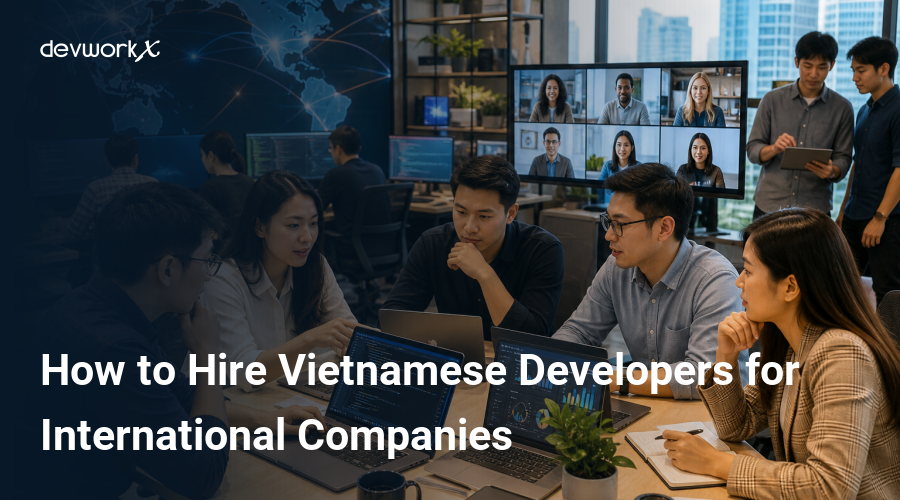
How to Hire Vietnamese Developers for International Companies
This article explores the strategies and challenges of hiring Vietnamese developers for international companies, highlighting the country's thriving tech landscape and providing practical insights for successful recruitment. It emphasizes the importance of cultural understanding, competitive compensation, and leveraging technology in the hiring process.
Vietnamese IT Engineers for Remote Teams: Skills, English Level and Hiring Guide
This article provides a detailed exploration of why Vietnamese IT engineers are a valuable asset for remote teams, covering their technical skills, English proficiency, cost-effectiveness, and cultural compatibility. It also offers a step-by-step hiring guide for integrating these professionals into your team.
Hiring Vietnamese Developers: What Skills Can International Companies Expect?
This article explores the skills and strengths that Vietnamese developers bring to international companies, highlighting their technical prowess, adaptability, and collaborative spirit. It also addresses potential challenges and provides insight into leveraging this talent for global success.
How to Assess the English and Technical Skills of Vietnamese Developers
This article provides a detailed guide on assessing the English and technical skills of Vietnamese developers, highlighting evaluation methods, the importance of soft skills, and the benefits of partnering with local recruitment agencies. It also introduces devworkx.com as a platform for efficient IT recruitment.
Vietnamese Software Engineers: Technical Skills, English and International Work Experience
This article explores the technical skills, English proficiency, and international work experience of Vietnamese software engineers, highlighting their strengths and the challenges they face in the global IT market. It provides insights into their educational background, language efforts, and the value of international exposure.